What size purifier does a room need?
Aim for about five complete air changes an hour. Check the purifier's CADR (clean air delivery rate) on the box.
A 39.2 m³ room needs a CADR of at least
196 m³/h
That's about 115 CFM, the unit many boxes use.
Big enough. With doors and windows shut it removes 80% of particles in about 15 minutes.
Room by room
0 of 12 done
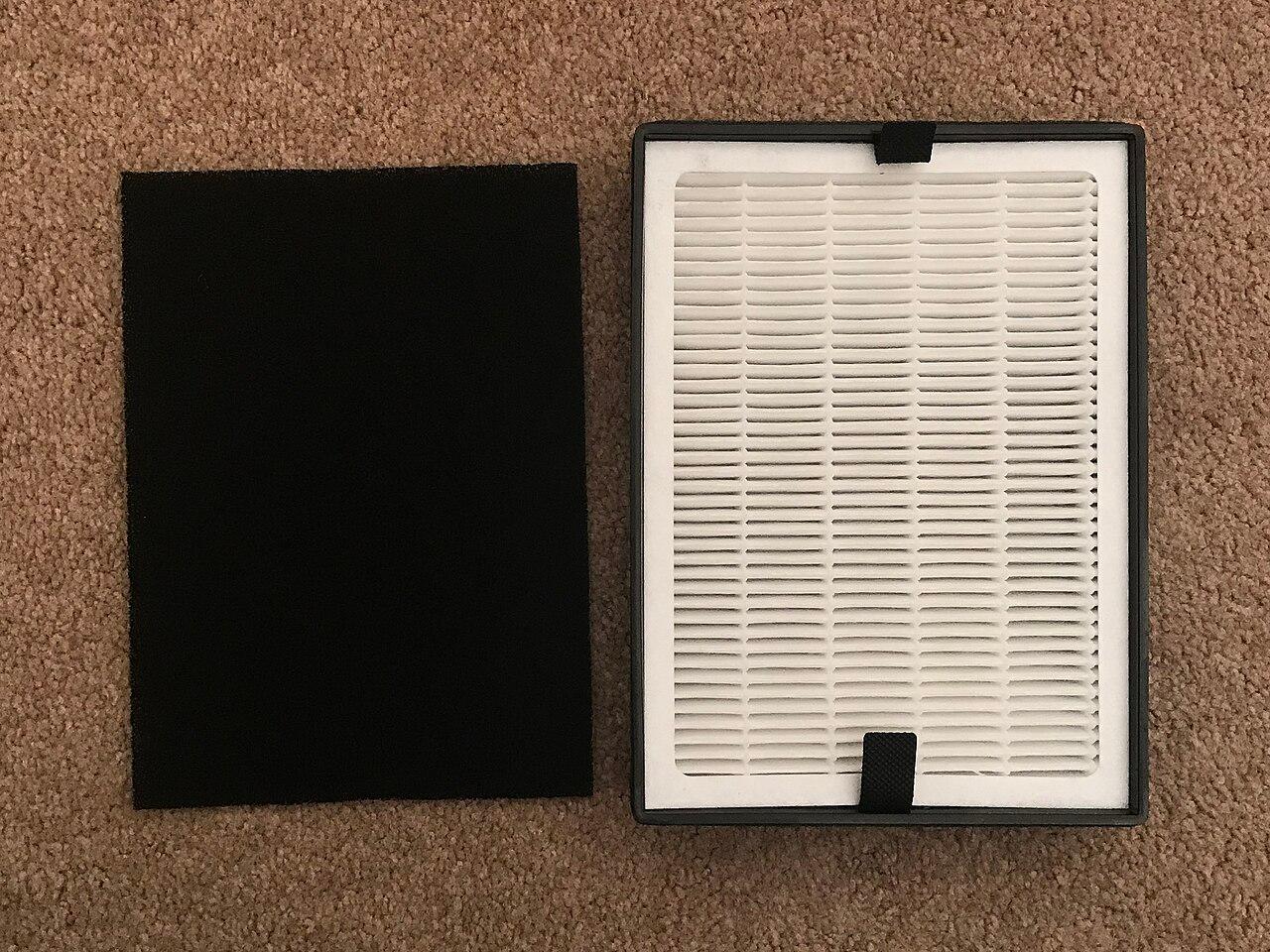
What to look for in a purifier
- True HEPA (H13 or better)
- Captures at least 99.95% of the hardest-to-catch particles. "HEPA-type" or "HEPA-like" is marketing.
- A stated CADR
- No CADR on the box means no way to know if it suits your room. Use the sizer above.
- No ozone, no ioniser
- Skip anything that advertises ozone or relies on ions instead of a filter.
- Filter cost and noise
- Check replacement filter prices and noise on the setting you will use overnight.
Build a box-fan filter for a few thousand rupees
Known as a Corsi–Rosenthal box. In tests it often matches purifiers that cost many times more.
- Buy four MERV-13 filters the same size as a 20-inch box fan, and one box fan.
- Tape the filters into a cube with the airflow arrows pointing inward. Cardboard makes the base.
- Tape the fan on top, blowing up and out. Seal every gap with tape so air must pass through the filters.
- Run it on medium in the bedroom with the door shut. Swap filters when they turn grey, about every 3 to 6 months in smog season.
What actually works
Houseplants will clean the air in my room.Myth
You would need hundreds of plants per square metre to match what normal ventilation does. Grow them for joy, not for PM2.5.
A wet cloth on the window traps the smog.Mostly myth
It catches some coarse dust, but fine PM2.5 passes around and through it. Sealing gaps and filtering works far better.
A surgical or cloth mask is enough outside.Myth
Loose masks let most fine particles leak around the edges. Only a well-fitted N95 or FFP2 gives real protection.
Ionisers and 'ozone purifiers' are the strongest cleaners.Avoid
Ozone irritates the lungs it is supposed to protect. Choose a purifier with a true HEPA filter and a stated CADR.
Staying indoors means I'm breathing clean air.Only if you act
In a leaky home, indoor PM2.5 is often 60 to 90% of the outdoor level. Indoors gets clean when you seal and filter.
Jaggery or steam clears pollution out of your lungs.Myth
No food or steam removes particles already deposited in the lungs. Lowering what you breathe in is what helps.