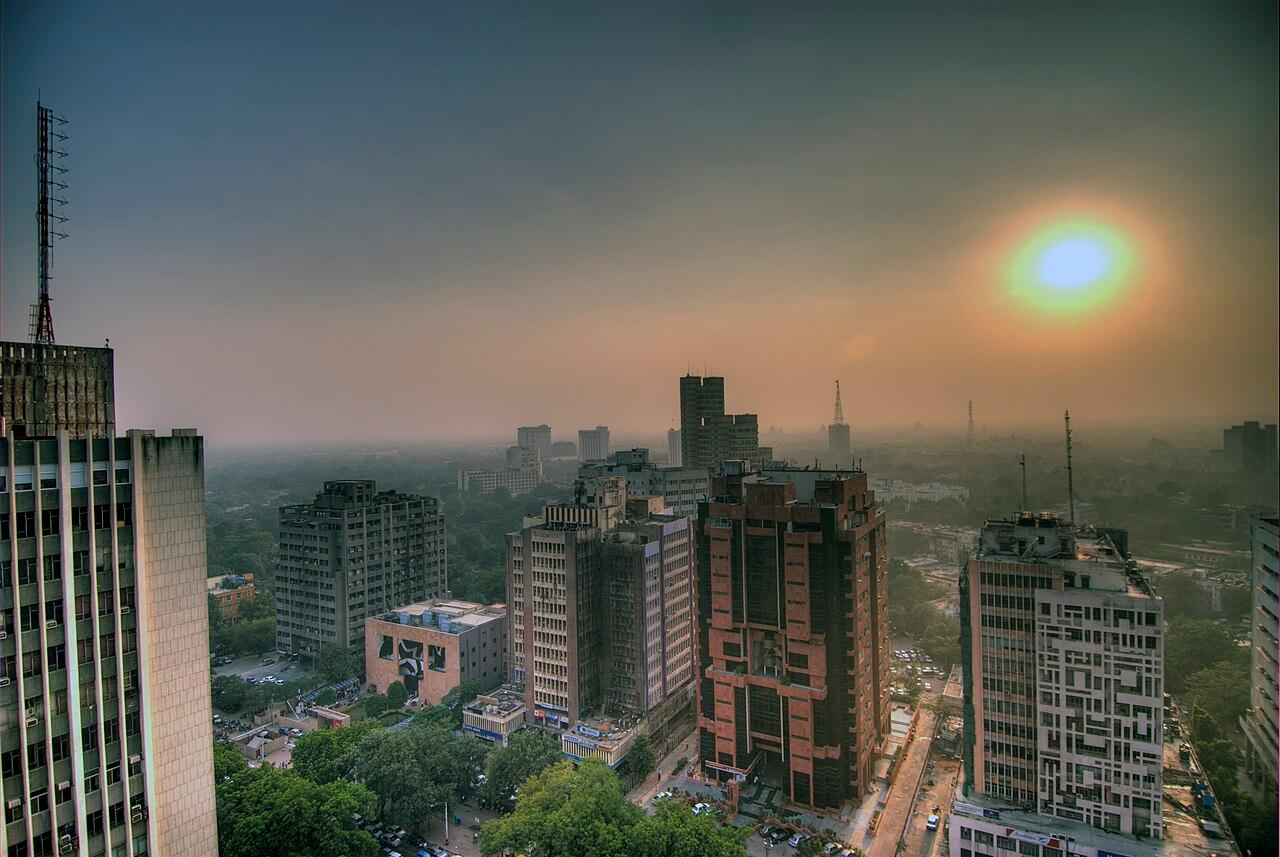
The lid on the city
On a normal day, air warmed by the ground rises and carries pollution kilometres up. On cold, still winter nights the ground cools fast and a layer of warmer air settles on top like a lid. This is a temperature inversion.
The city makes roughly the same smoke and exhaust every day. What changes is how much air it gets mixed into. Drag the lid down and watch the same particles crowd together.
Same emissions, PM2.5 near the ground: 50 µg/m³Unhealthy for sensitive groups
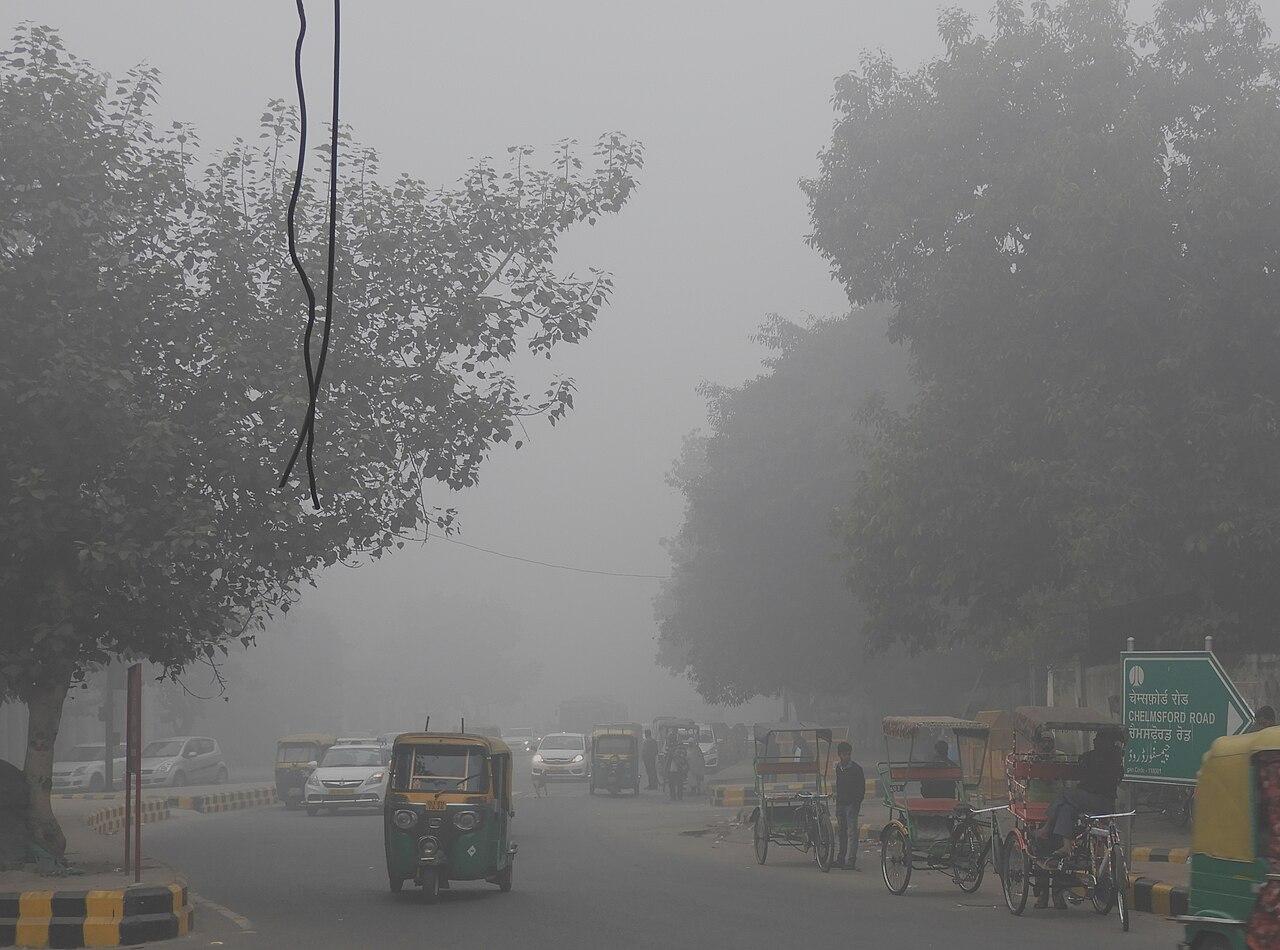
Why mornings are the worst
Overnight the ground cools, the lid sinks lower, and a whole night of exhaust and fire smoke stays trapped near the street. The morning rush adds to it just as the air is at its stillest.
By early afternoon the sun warms the ground, the air begins to mix upward, and the smog thins. Then it settles back in after sunset. That daily rhythm is why Vaatayan looks for your clean-air window instead of telling you to stay in all day.
See today's window for your citySmaller than you can imagine
PM2.5 means particles 2.5 micrometres across or smaller, about thirty times thinner than a human hair. They slip past the nose and throat, reach deep into the lungs, and the finest pass into the blood.
Where winter smog comes from
Source studies disagree, and the mix changes from day to day, so these are honest ranges rather than one neat pie chart.
Vehicles
About a fifth to a quarter of winter PM2.5 in Delhi's best-known study
Exhaust plus brake, tyre and road dust, released right at breathing height.
Compare your commuteCrop-residue fires
Near zero on some days, a large share on peak days in late October and November
Estimates swing with the wind. Scientists still debate its overall share against local sources.
See what you can changeBurning at home and on the street
Rises every winter
Wood and coal for heat, rubbish and leaf fires, and solid-fuel cooking.
Make home cleanerDust from roads and building sites
Mostly coarse PM10, with a real slice of PM2.5
Lifted by traffic and wind, then settles into homes.
Keep dust outIndustry and power plants
A steady background share
Including coal power that runs the electric heaters many of us switch to.
Weigh heating options
Who needs the most care
- Children
- They breathe more air for their size, and their lungs are still growing.
- Older adults
- Fine particles raise the risk of heart attack and stroke.
- Pregnant women
- Exposure is linked to low birth weight and early birth.
- People with asthma, COPD or heart disease
- Smog days often bring flare-ups.
- Outdoor workers
- Traffic police, vendors and delivery riders breathe it all day.